About Shanghai
Shanghai: A Blend of Tradition and Modernity
Shanghai, China’s largest city, is a
vibrant metropolis where East meets West. Known for its futuristic skyline,
historic neighbourhoods, and rich cultural fusion, it offers a unique mix of
tradition and innovation.
Local Culture & Lifestyle
- Fengjing (Local Customs): Shanghai’s
"Hai Pai" culture reflects openness to global influences. Locals
enjoy a fast-paced urban lifestyle while preserving traditions like tea
houses, morning tai chi, and lively street markets.
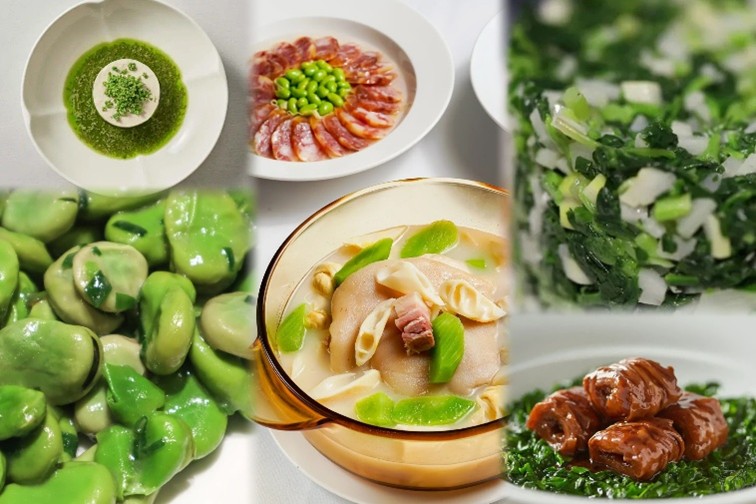
- Cuisine: Iconic dishes include xiaolongbao (soup
dumplings), shengjian mantou (pan-fried buns), and
sweet nian gao (rice cakes).
- Art & Fashion: The city
hosts international art fairs, and traditional crafts like qipao (cheongsam)
dresses remain popular.
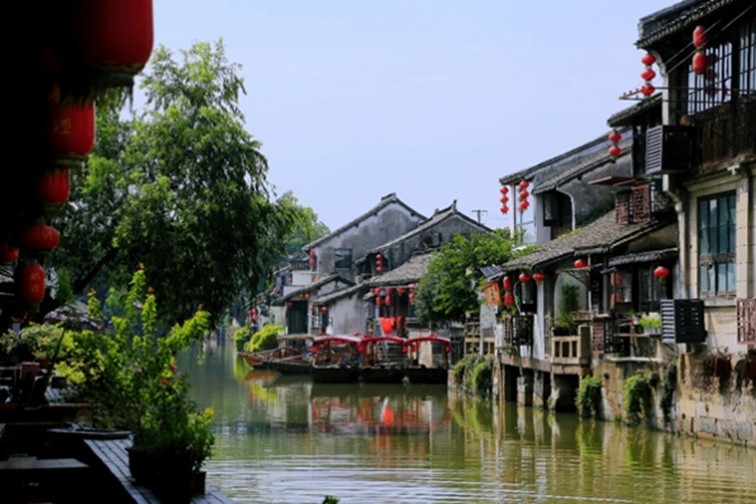
Traditional
houses and tranquil waterways in Fengjing Historical and Cultural Block.
[Photo/WeChat account: fengjinglvyou1500]
Iconic Landmarks
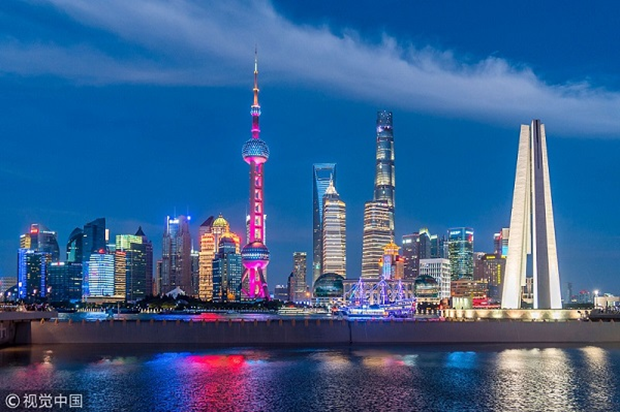
- The Bund (Waitan): A waterfront
promenade lined with colonial-era buildings, contrasting with Pudong’s
skyscrapers like the Oriental Pearl Tower and Shanghai
Tower (2nd tallest building globally).
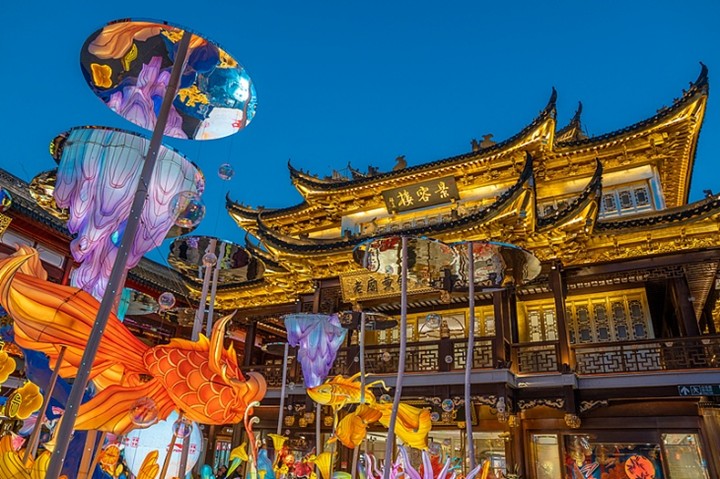
- Yu Garden: A 16th-century classical
Chinese garden with pavilions, koi ponds, and the adjacent Yuyuan Bazaar.
- Tianzifang & French Concession: Art
galleries, cafes, and Shikumen (stone-gate) architecture in trendy
districts blending history and creativity.
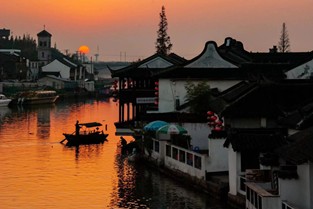
- Zhujiajiao Water Town: A
1,700-year-old “Venice of Shanghai” with canals and Ming-era bridges.
Life
seems simple and elegant on both sides of Fangsheng Bridge. [Photo/WeChat
account: qptour]
Cultural Heritage
- Shanghai Opera & Theater: Traditional
Kunqu opera and modern performances thrive at venues like the Shanghai
Grand Theatre.
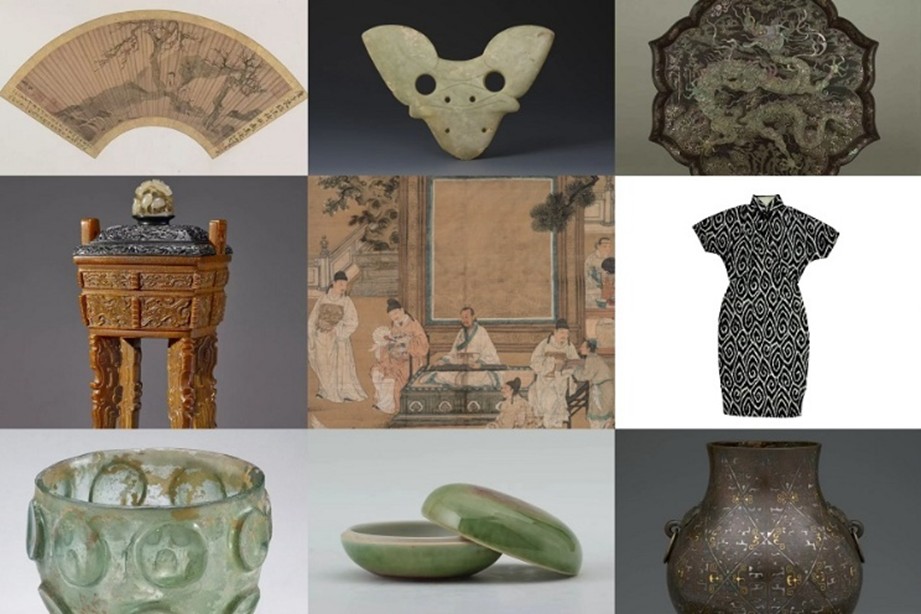
- Museums: The Shanghai Museum showcases
ancient Chinese art, while the Power Station of Art highlights
contemporary works.
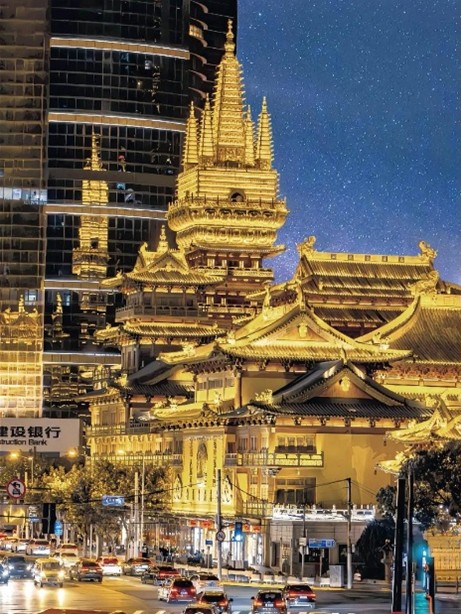
- Religious Sites: Jing’an Temple (a golden
Buddhist temple) and the Jade Buddha Temple house priceless relics.
Shanghai
Museum offers diverse art exhibitions in 2025
Why Shanghai?
From the neon-lit Nanjing Road to
tranquil temple gardens, Shanghai embodies China’s past and future. Its energy,
creativity, and cultural diversity make it a must-visit destination.
Shanghai's Renewable Energy Development & Its Daily Life Integration
As China’s largest city, Shanghai has
prioritized renewable energy to combat climate change and achieve its
"dual carbon" goals. Key developments include:
- Wind & Solar Power: Shanghai has
invested heavily in offshore wind farms (e.g., Donghai Bridge Wind Farm)
and rooftop solar installations. By 2023, its solar capacity exceeded 2.5
GW, powering homes and businesses.
- Electric Vehicles (EVs): Over 30% of
new cars sold in Shanghai are now EVs or hybrids. The city’s extensive EV
charging network (80,000+ public chargers) and green license plate
incentives make eco-friendly transport a common sight.
- Green Buildings: Over 70% of new urban buildings
meet green standards, featuring solar panels, energy-efficient designs,
and smart energy management systems.
- Waste-to-Energy: Advanced plants process 40% of
municipal waste, converting it into electricity for thousands of
households.
In daily life, Shanghainese engage
with renewables through EV commutes, solar-powered streetlights, segregated
waste recycling, and public awareness campaigns. The city’s metro system, one
of the world’s longest, also uses regenerative braking to save energy.
By blending policy innovation with
urban infrastructure, Shanghai showcases how megacities can integrate
sustainability into everyday living. 🌱🔋